
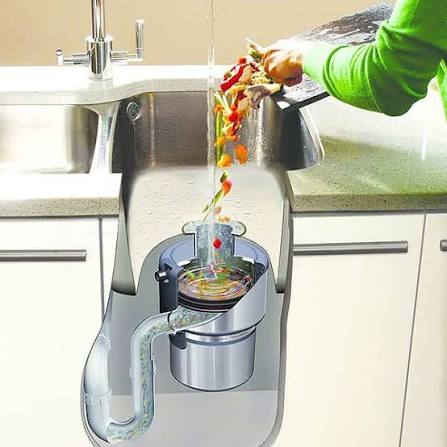
Have you ever poured leftover cooking oil into the kitchen sink without thinking twice? Or rinsed food scraps down the drain because it seemed easier? These everyday habits may seem harmless, but they’re one of the most common causes of a blocked kitchen sink.
It may feel harmless, but these everyday habits are one of the leading causes of a blocked kitchen sink. What seems like a quick cleanup today can turn into a costly plumbing problem tomorrow.
At Aiki Services, we’ve seen how small kitchen habits lead to a blocked kitchen sink, unpleasant odours, slow drainage, and expensive plumbing repairs. The good news? These problems are completely avoidable with a few simple changes.
What Really Happens Inside Your Pipes?
A blocked kitchen sink doesn’t happen overnight. Instead, it develops gradually from everyday habits that many homeowners don’t even realize are harmful.
When hot cooking oil or grease goes down your sink, it flows easily at first. But as it cools, it hardens and sticks to the inside walls of your pipes.
Over time, food particles, soap residue, and other debris cling to this layer of grease, gradually narrowing the pipe until water can barely pass through. As the buildup grows thicker, water struggles to drain properly, eventually resulting in a blocked kitchen sink.
What started as a small amount of oil can quickly become a stubborn blockage that requires professional attention.
Signs Your Kitchen Drain Is in Trouble
The good news is that your plumbing usually gives you warning signs before a complete blocked kitchen sink occurs.
Watch out for these common symptoms:
- Slow-draining water
- Unpleasant smells coming from the sink
- Gurgling noises when water drains
- Water backing up into the sink
- Frequent drain blockages
Ignoring these signs can turn a minor inconvenience into a fully blocked kitchen sink, leading to costly repairs and unnecessary disruption.
Signs Your Kitchen Drain Is in Trouble
The good news is that your plumbing usually gives you warning signs before a complete blocked kitchen sink occurs.
Watch out for these common symptoms:
- Slow-draining water
- Unpleasant smells coming from the sink
- Gurgling noises when water drains
- Water backing up into the sink
- Frequent drain blockages
Ignoring these signs can turn a minor inconvenience into a fully blocked kitchen sink, leading to costly repairs and unnecessary disruption.
Simple Habits That Protect Your Plumbing
The best way to avoid a blocked kitchen sink is by adopting a few simple habits. They take only seconds but can save you thousands in plumbing repairs.
1. Never Pour Cooking Oil or Grease Down the Sink
Allow used cooking oil to cool, then pour it into a sealed container before disposing of it properly. This simple habit prevents grease from sticking inside your pipes.
2. Scrape Food Into the Bin
Before washing dishes, scrape leftover food into the trash. Even small food particles contribute to the buildup that eventually causes a blocked kitchen sink.
3. Use a Sink Strainer
A sink strainer catches food scraps before they enter your plumbing system. It’s an inexpensive tool that greatly reduces the risk of a blocked kitchen sink.
4. Flush Your Drain Regularly
Occasionally rinse your sink with hot water and a small amount of dish soap after washing greasy dishes. While this won’t remove hardened grease, it can help reduce fresh grease buildup before it becomes a problem.